
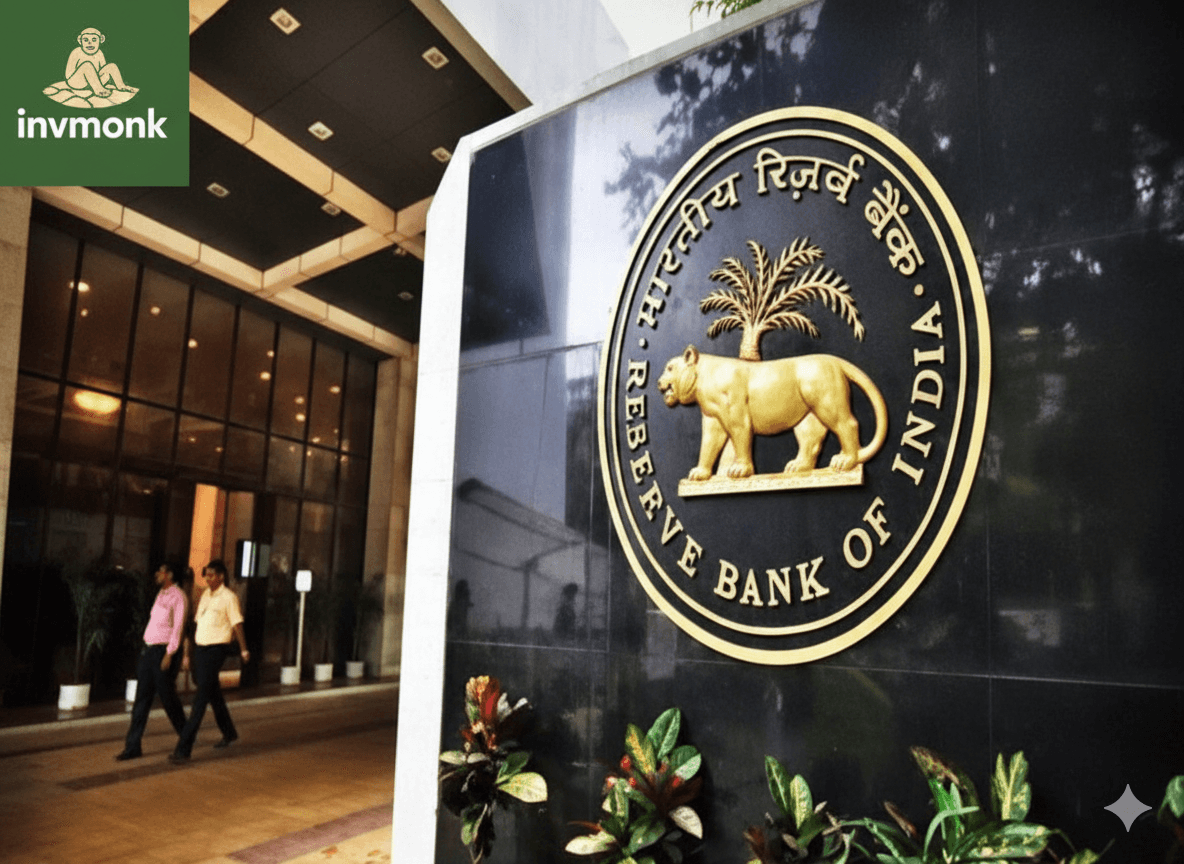
India’s foreign direct investment (FDI) landscape continues to sizzle, with the U.S. and Singapore emerging as powerhouse contributors, funneling over one-third of inflows in fiscal year 2025 (FY25). According to the Reserve Bank of India’s (RBI) provisional census on Foreign Liabilities and Assets (FLA) released on October 29, 2025, total FDI equity hit a robust ₹68,75,931 crore—up 11.1% from ₹61,88,243 crore in FY24. This data, drawn from 45,702 responding entities, paints a picture of deepening global ties, manufacturing dominance, and a narrowing inward-outward investment gap.
For investors eyeing India FDI trends 2025 or the RBI FLA census insights, this report signals sustained momentum amid global uncertainties. From subsidiary-driven inflows to ODI’s 17.9% growth spurt, here’s a comprehensive breakdown of what the numbers mean for India’s economic trajectory and your portfolio.
FDI Inflows: U.S. and Singapore Lead the Charge, Mauritius and Europe Follow
The RBI census highlights a concentrated source pattern, with the U.S. and Singapore commanding the lion’s share. Over three-fourths of inward FDI reporters (more than 75%) were foreign subsidiaries—where a single investor holds over 50% equity—underscoring multinational confidence in India’s growth story.
Key stats from FY25:
- Total FDI Equity: ₹68,75,931 crore (11.1% YoY growth in rupee terms).
- Top Sources Breakdown:
| Country | Share of Total FDI (%) | Absolute Value (₹ Crore) | Key Notes |
|---|---|---|---|
| United States | 20.0 | ~13,75,186 | Tech, services, and manufacturing hubs drive inflows. |
| Singapore | 14.3 | ~9,84,378 | Gateway for Asian investments; fintech and logistics boom. |
| Mauritius | 13.3 | ~9,15,259 | Tax-efficient routing for global funds. |
| United Kingdom | 11.2 | ~7,70,144 | Pharma and renewable energy focus. |
| Netherlands | 9.0 | ~6,18,834 | Chemicals and auto sectors lead. |
Together, U.S. and Singapore’s duo accounts for 34.3%, reflecting strategic bets on India’s digital economy and “Make in India” push. Of the 41,517 entities reporting FDI/ODI, 33,637 were repeat filers, while 7,880 newcomers signal fresh entry barriers crumbling.
For top FDI countries in India 2025, this concentration highlights diversification needs—Europe and Mauritius provide balance, but over-reliance on a few could amplify geopolitical risks.
Sector Spotlight: Manufacturing Reigns Supreme, Services Close Behind
India’s FDI magnet? Its industrial backbone. Manufacturing snagged the highest slice at 48.4% of total FDI equity (market value) and 37.8% (face value), fueled by PLI schemes and supply chain shifts from China. Services trailed as the No. 2 recipient, capturing chunks in IT, finance, and e-commerce.
- Non-Financial Dominance: Non-financial firms held 90.5% of FDI equity at face value, emphasizing real-economy bets over speculative finance.
- Unlisted Edge: Over 97% of direct investment (DI) entities were unlisted as of March 2025, capturing the bulk of FDI—listed firms often favor portfolio routes.
This sectoral skew aligns with India manufacturing FDI 2025 trends: EVs, semiconductors, and green tech are luring billions, positioning India as a global factory floor.
ODI Outflows: Singapore Tops as India’s Global Footprint Expands
While inflows shine, India’s outward direct investment (ODI) tells a tale of ambitious expansion. At ₹11,66,790 crore for FY25, ODI grew 17.9%—outpacing FDI’s 11.1%—narrowing the inward-to-outward ratio to 5.9 from 6.3 in FY24.
Top ODI destinations:
- Singapore: 22.2% share – Asia-Pacific hub for reverse investments.
- United States: 15.4% – Tech acquisitions and R&D centers.
- United Kingdom: 12.8% – Pharma and services footholds.
- Netherlands: 9.6% – European gateway for logistics.
This surge reflects Indian firms’ globalization: From Tata’s overseas buys to IT majors’ U.S. expansions. For India ODI trends 2025, it’s a sign of maturing multinationals, though regulatory tweaks could accelerate further.
Growth Dynamics: FDI vs. ODI – A Balancing Act for India’s Economy
The RBI’s FLA census reveals a maturing investment ecosystem:
- FDI Growth: 11.1% in rupee terms, tempered by a strengthening rupee but buoyed by policy reforms.
- ODI Acceleration: 17.9% jump, signaling confidence in global ops amid domestic saturation.
- Ratio Shift: Inward DI now 5.9x outward (down from 6.3x), hinting at a more balanced, two-way street.
With 41,517 active reporters (up from prior rounds), the census captures a vibrant, subsidiary-heavy network. Yet, challenges loom: Geopolitical tensions (e.g., U.S. elections) and rupee volatility could sway flows.
In India economic outlook FY26, this data bolsters GDP projections—FDI could add 1-2% to growth if sustained, per IMF estimates.
What This Means for Investors and Policymakers in 2025
The FY25 FLA census cements India’s allure as an FDI darling, with U.S.-Singapore tandem underscoring tech and trade synergies. Manufacturing’s lead validates “China+1” narratives, while ODI’s pep signals outbound ambition. For startups and MNCs, it’s green lights for joint ventures; for policymakers, a nudge toward easing subsidiary norms.
As India eyes $100 billion annual FDI (from $70 billion now), diversification beyond top sources is key. Will FY26 build on this? Early signs point yes, with budget incentives on anvil.
What’s your take on US FDI in India 2025—boon or bubble? Share in the comments, and subscribe for more on RBI economic reports, global investment trends, and India FDI sectors. Stay invested in the stories shaping tomorrow’s economy.