
Introduction
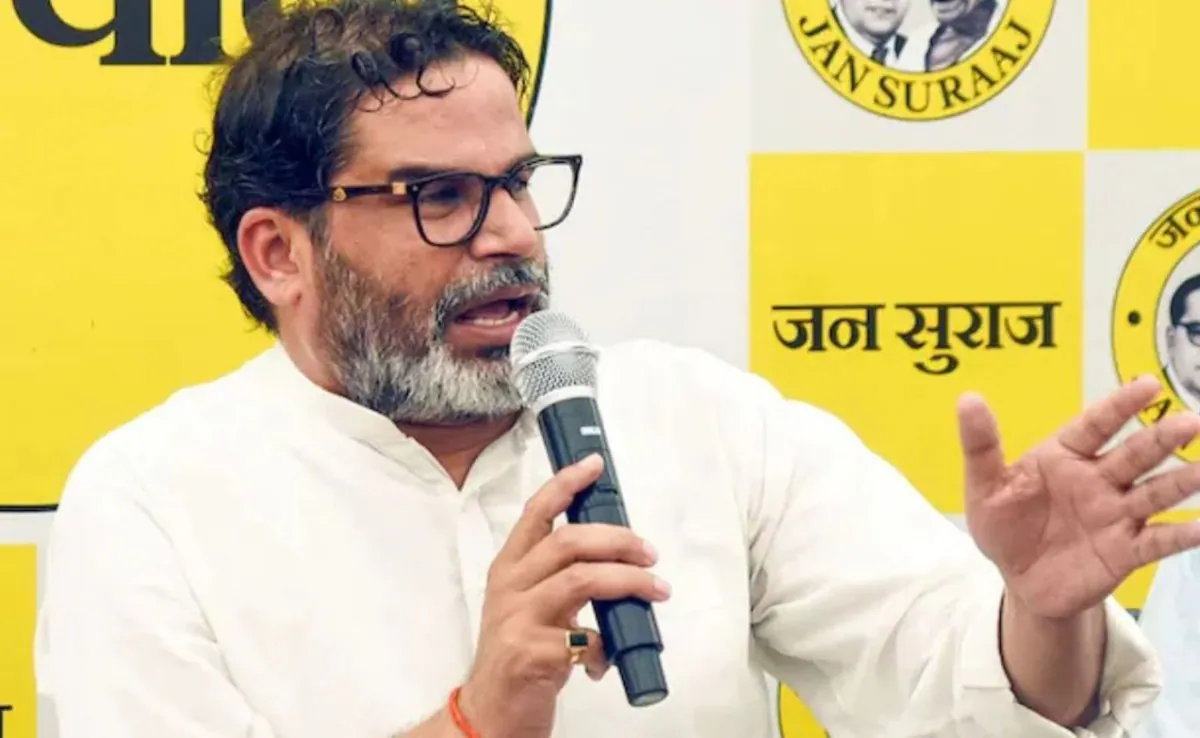
The upcoming 2025 assembly elections in Bihar mark a high-stakes political moment. With 243 seats up for grabs, the dynamics of alliances, leadership moves and voter sentiment are under intense scrutiny. One such significant development: veteran strategist-turned-politician Prashant Kishor has announced that he will not contest the elections himself, even though his newly-formed party — the Jan Suraaj Party (JSP) — has fielded candidates for all constituencies. This decision has triggered widespread analysis, and recent survey data suggest it may play into the hands of the ruling National Democratic Alliance (NDA).
In this blog, we explore what this decision means — unpacking the motivations, the survey findings, the implications for each alliance, and what might be ahead for Bihar’s political landscape.
Who is Prashant Kishor and What is the Jan Suraaj Party?
Profile of Prashant Kishor
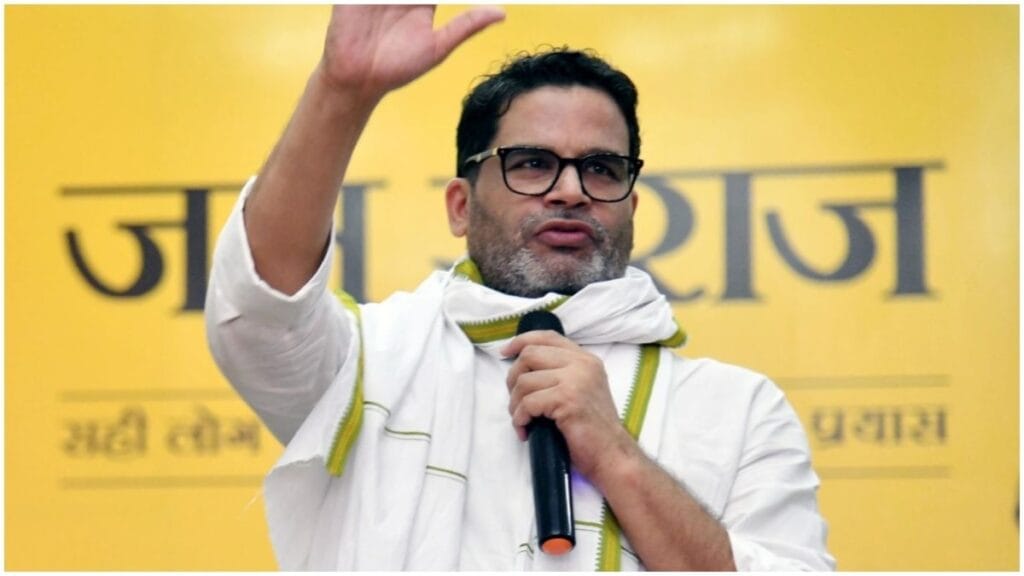
Prashant Kishor is widely recognised for his election-strategy work across India. Over the years he has been associated with multiple parties in advisory roles, helping plan campaigns and organise outreach. With the launch of his own party, he shifted from strategist to political actor.
The Jan Suraaj Party (JSP)
In late 2024, Kishor formally announced the Jan Suraaj Party. The core campaign theme: “good governance, development and change” in a state often shaped by caste-politics and personality-driven alliances. The JSP declared that it would contest all 243 assembly seats in Bihar, signalling ambitious intent.
The Decision Not to Contest
In a surprise move in October 2025, Kishor declared he would not stand as a candidate. He explained that his role would be organisational—building the party, crafting the strategy, and overseeing the broader campaign rather than fighting a constituency battle himself. This move has been interpreted variously as strategic discipline, risk mitigation, or a potential signal of calculated long-term planning.
The Survey Findings: What Do Voters Think?
A recent survey of voters in Bihar assessed how Kishor’s decision not to contest might impact the election outcome. Key findings include:
- Roughly 46% of respondents believe his decision will benefit the NDA.
- About 36% feel it could benefit the opposition grand alliance (Mahagatbandhan).
- Around 18% believe the decision will have no significant impact on the electoral dynamics.
In terms of seat projections:
- The NDA is projected to secure around 120 to 140 seats out of 243 — putting it in the majority-formation zone.
- Within the NDA: the BJP is estimated to win 70 to 81 seats, JD(U) around 42 to 48.
- The opposition alliance is expected to win approximately 93 to 112 seats, with its constituent parties allocated accordingly.
- The JSP, despite contesting all seats, is projected to win as few as one seat.
These numbers suggest a landscape in which Kishor’s absence as a candidate is not being seen as neutral — but rather as a factor likely helping the incumbent alliance.
Why Kishor’s Decision Could Benefit the NDA
Vote-Split / Third Front Dynamic
By not contesting himself, Kishor removes himself as a direct challenger in his own constituency. This may reduce the “star-candidate effect” for his party, limiting its ability to capture large swings. Voters who might have considered JSP might default to the larger alternative — the NDA — rather than the opposition bloc.
Clear Two-Way Contest for Voters
Kishor himself has framed the 2025 Bihar election as a contest between the NDA and his party (JSP), relegating the traditional grand alliance to a secondary role. With his absence on the ballot, the two-way “incumbent vs newcomer” narrative weakens his party’s challenger appeal and makes the election appear more like “incumbent vs major opposition”, which often favours the incumbent.
Organisational Advantage of the NDA
The BJP and its allies in Bihar possess a strong grassroots network. In contrast, JSP is a new entrant and lacks decades of local organisational presence. Kishor’s non-participation in the race may hinder JSP’s credibility and momentum, playing to the NDA’s organisational strengths.
Narrative Advantage
The opposition and independent observers may cast Kishor’s decision as an indication of a lack of confidence or readiness to engage fully in the electoral contest. In political perception, this can shift momentum subtly toward the ruling alliance.
What Are the Risks and Caveats?
Survey Limitations
Surveys are indicative but not definitive. They capture momentary sentiment, which in a dynamic election like Bihar’s can shift due to local developments, campaign events, candidate announcements or alliances.
Local and Caste Dynamics Matter Deeply
Bihar elections are not just about headline names and big alliances. Local caste equations, individual candidates, constituency-level issues and ground mobilisation massively affect outcomes. Even a strong star leader’s decision may be overridden by local factors.
Potential Underestimation of JSP
Although the survey projects very low wins for JSP, new parties often influence margins, spoil calculations, or affect vote shares even if they don’t win many seats. Kishor’s organisational focus might pay dividends later even if 2025 doesn’t deliver a big win.
Backlash Risk for the NDA
If voters interpret Kishor’s move as signalling weakness or lack of intent, they may pivot toward the opposition alliance or JSP as a “change alternative”. The NDA cannot assume automatic gains; complacency could cost seats.
Implications for the Major Alliances
NDA
The NDA stands to benefit from Kishor’s decision, according to survey data. The alliance should use this advantage by:
- Consolidating its vote base, ensuring strong turnout.
- Avoiding overconfidence and keeping campaign momentum high.
- Monitoring JSP’s ground-level impact and adjusting strategy if surprises emerge.
Mahagatbandhan (Opposition Alliance)
For the grand opposition alliance, the challenge is acute:
- They must present a compelling narrative of change that can attract voters disillusioned with the status-quo and wary of the JSP’s inexperience.
- They need to prevent vote-erosion to JSP by staying relevant and visible.
- They should capitalise on any signs of NDA vulnerability, local discontent or alliance friction.
Jan Suraaj Party (JSP)
For Kishor’s newcomer party, the stakes are high:
- Building organisational architecture and ground presence is essential — not just winning in 2025, but sustaining for the future.
- The decision not to contest will be judged in hindsight: if JSP underperforms, critics will say the leader “sat out” too soon.
- Managing expectations is key. A narrative shift from “we will win 150+ seats” to “we are building for long-term change” may save face and build legitimacy.
What This Means for the Future of Bihar Politics
- The scenario underscores how leadership decisions (like contesting or not) can influence voter psychology and alliance dynamics.
- There may be a gradual shift toward multi-party contests, with newcomers like JSP trying to break the incumbent-challenger binary — though their success is far from guaranteed in 2025.
- The outcome of the 2025 election will likely shape which narratives gain traction: continuity and governance (NDA) vs change and disruption (JSP/opposition).
- If JSP gains traction beyond 2025, it could challenge the traditional two-bloc dominance in Bihar; if not, it may reinforce the primacy of major alliances.
Conclusion
Prashant Kishor’s decision not to contest the 2025 Bihar Assembly elections is a bold strategic move with significant potential consequences. According to current survey data, it appears to tilt the advantage toward the NDA rather than the opposition alliance. However, in the dynamic world of Indian state elections, many variables remain at play — including local issues, candidate strength, alliance shifts and voter mood.
For the NDA, the window to reinforce its position is open. For the grand alliance, urgency looms to regain momentum. For the Jan Suraaj Party, this election is likely more about laying a foundation than immediate victory. The coming weeks will reveal whether Kishor’s gamble pays off or whether the electorate writes a different narrative entirely.